
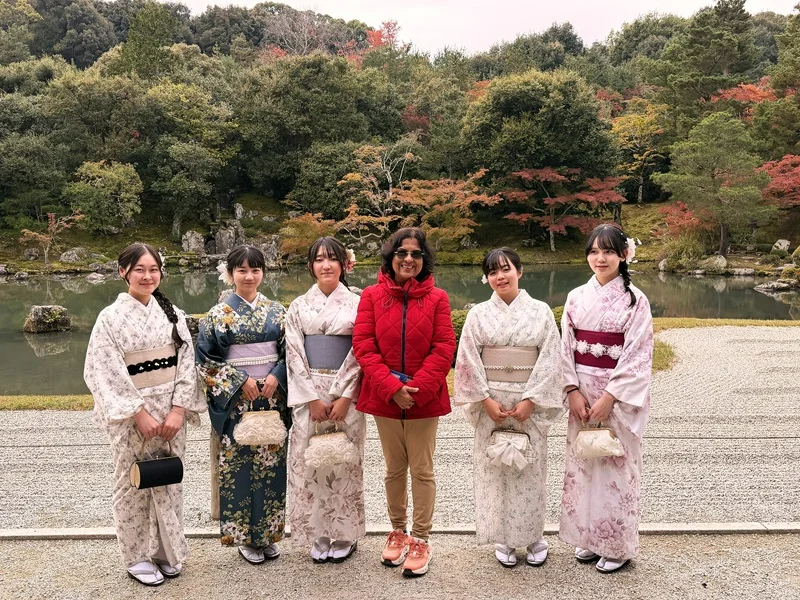
Looking for the best places to visit in Kyoto, Japan? This Kyoto travel guide introduces 25 of the city’s most rewarding temples, shrines, gardens, historic districts and cultural attractions, including Fushimi Inari Taisha, Kiyomizu-dera, Kinkaku-ji, Arashiyama Bamboo Grove, Gion and Nijo Castle. Plan your trip with practical details on admission fees, opening hours, an interactive attraction map, transport and ticket links, Japanese food, festivals, seasonal weather, travel costs and a suggested 3-day itinerary. The 25 places are GlimpseTrip’s editorial selection for first-time visitors, not a statistically verified popularity ranking.
Listen to Our Kyoto Travel Podcast
Explore Kyoto with GlimpseTrip! Listen to our travel podcast covering 25 of the city’s most fascinating attractions, historic temples, beautiful shrines, cultural experiences and essential travel tips.
Kyoto at a Glance
| Country | Japan |
| 📍 Location | Southern Kyoto Prefecture, Kansai region, Honshu, Japan |
| 👥 Population | Approximately 1.43 million (Kyoto City estimate, March 2026) |
| 💰 Currency | Japanese Yen (JPY / ¥). On 19 November 2026, approximately ¥159.6 = US$1; rates and card conversion fees change. |
| 🛕 Religion | Shinto and Buddhism are the principal religious traditions shaping Kyoto’s shrines, temples and festivals. Many people take part in both traditions culturally; religious affiliation is not accurately represented by one simple citywide percentage. |
| 🗣️ Language | Japanese; English is used at major tourist sites, hotels and transport hubs |
| 🕐 Stay | 3 full days for the main highlights; 4–5 days for a slower visit and northern Kyoto |
| 🌤️ Best time | Late March–April for cherry blossoms; mid-November–early December for autumn colours; May for mild weather |
| ✈️ Airports | Kansai International Airport (KIX), about 75–90 minutes by direct Haruka train; Osaka Itami (ITM) is another option |
| 🚆 Getting around | JR, Hankyu, Keihan, Randen, Kyoto Subway, city buses, walking and taxis |
Is Kyoto Worth Visiting?
Absolutely. Kyoto is one of Japan’s most rewarding destinations for traditional architecture, Buddhist temples, Shinto shrines, Zen gardens, historic streets, seasonal scenery and Japanese cuisine. It was Japan’s imperial capital for more than a thousand years, and its cultural heritage remains visible in its temples, festivals, crafts and food. Kyoto is ideal for combining famous landmarks with quieter neighbourhood walks, tea experiences and day trips.
Best for: Japanese culture | History | Temples & Shrines | Zen gardens | Cherry blossoms | Autumn foliage | Photography | Traditional food | Shopping | Families
📋 Kyoto’s Top Attractions – Quick Overview
| Attraction | Ticket (adult) | Opening Hours | Best For |
|---|---|---|---|
| 1. Fushimi Inari Taisha | Free admission | Shrine grounds and mountain paths are generally accessible 24 hours; office and service counters have shorter hours | Thousands of vermilion torii gates on a forested mountain trail |
| 2. Kiyomizu-dera Temple | Adult ¥500; school-age children ¥200 (2026 published rate; confirm at the gate) | Opens 6:00 a.m.; closing time varies by season and special night-viewing dates (often 6:00–6:30 p.m.) | Kyoto’s famous wooden terrace overlooking the city |
| 3. Kinkaku-ji – The Golden Pavilion | Adult ¥500; primary and middle-school students ¥300 (official published rate) | 9:00 a.m.–5:00 p.m., daily | A gold-leaf pavilion reflected in a tranquil pond |
| 4. Arashiyama Bamboo Grove | Free | Public path; generally accessible at all hours, but visit in daylight | A peaceful-looking path framed by towering bamboo |
| 5. Gion and Hanamikoji Street | Free to explore public streets; performances and guided experiences cost extra | Public streets can be walked at any time; individual shops and venues have their own hours | Traditional wooden townhouses and Kyoto’s geiko culture |
| 6. Nijo Castle | Castle only ¥800; castle + Ninomaru Palace ¥1,300 for adults; Honmaru Palace separate and reservation-based | Entry 8:45 a.m.–4:00 p.m.; castle closes 5:00 p.m.; closed on some dates including year-end | Shogun-era palace rooms, gardens and historic fortifications |
| 7. Nishiki Market | Free entry; food and shopping charged separately | Individual shops generally operate from morning to late afternoon; hours and closing days vary | Kyoto’s Kitchen |
| 8. Ryoan-ji Temple | Adult admission approximately ¥600; confirm current rate at the entrance | Typically 8:00 a.m.–5:00 p.m. March–November; 8:30 a.m.–4:30 p.m. December–February; confirm seasonally | Japan’s celebrated Zen rock garden |
| 9. Ginkaku-ji – The Silver Pavilion | Adult ¥1,000; primary and middle-school students ¥500 (official published rate) | 8:30 a.m.–5:00 p.m. March–November; 9:00 a.m.–4:30 p.m. December–February | A refined Zen garden on Kyoto’s eastern hills |
| 10. Philosopher’s Path | Free | Public walking path; accessible at all hours, best enjoyed in daylight | A peaceful canal-side walk lined with cherry trees |
| 11. Sanjusangen-do Temple | Adult ¥600 | 8:30 a.m.–5:00 p.m. April 1–November 15; 9:00 a.m.–4:00 p.m. November 16–March 31; last entry 30 minutes before closing | A hall filled with 1,001 statues of Kannon |
| 12. Yasaka Shrine | Free | Shrine precinct generally open 24 hours; office and amulet counter hours are limited | A historic shrine at the entrance to Gion |
| 13. Kodai-ji Temple | Adult ¥600; students ¥250; primary-school children free with guardian (official published rate) | 9:00 a.m.–5:00 p.m.; last entry 5:00 p.m.; gates close 5:30 p.m. | Zen gardens, bamboo grove and illuminated seasonal scenery |
| 14. Pontocho Alley | Free to walk; food and dining experiences extra | Public lane accessible at all times; individual restaurants usually open from late afternoon or evening | A narrow dining lane beside the Kamo River |
| 15. Tenryu-ji Temple | Garden ¥500 for high-school age and older; elementary/middle school ¥300; buildings add ¥300; Cloud Dragon special viewing ¥500 | 8:30 a.m.–5:00 p.m.; last admission 4:50 p.m. | UNESCO-listed Zen temple with a celebrated landscape garden |
| 16. Togetsukyo Bridge | Free to cross and view | Public bridge and riverside paths accessible at all times; use daylight for safe walking | Arashiyama’s iconic bridge across the Katsura River |
| 17. Arashiyama Monkey Park Iwatayama | Adult ¥550; children aged 4 through junior-high age ¥250 (published local tourism information) | Usually 9:00 a.m.–4:00 p.m.; irregular closures possible | Wild Japanese macaques and a panoramic Kyoto viewpoint |
| 18. Kyoto Imperial Palace and Kyoto Gyoen National Garden | Free; no advance registration normally required; security screening at entrance | Apr–Aug last admission 4:20 p.m., closes 5:00 p.m.; Mar/Sep last admission 3:50 p.m., closes 4:30 p.m.; Oct–Feb last admission 3:20 p.m., closes 4:00 p.m. | The former imperial residence inside a vast central park |
| 19. Fushimi Sake District and Gekkeikan Okura Sake Museum | Museum: ¥600 for adults aged 20+; ¥100 for ages 13–19; free for 12 and under (check current rules) | Gekkeikan Okura Sake Museum 9:30 a.m.–4:30 p.m.; last admission 4:00 p.m. | Canals, historic breweries and Kyoto’s sake-making heritage |
| 20. To-ji Temple | Outer precinct free; Kondo and Kodo halls paid, adult rate commonly around ¥800; special areas cost extra | Temple gates 5:00 a.m.–5:00 p.m.; Kondo and Kodo halls 8:00 a.m.–5:00 p.m., last entry 4:30 p.m. | A five-storey pagoda near Kyoto Station |
| 21. Nanzen-ji Temple and Suirokaku Aqueduct | Hojo garden and Sanmon gate generally ¥600 each for adults; exterior grounds and aqueduct free | Paid Hojo area generally 8:40 a.m.–5:00 p.m. March–November and until 4:30 p.m. in winter; last entry 20 minutes before closing | Zen temple grounds and a striking brick aqueduct |
| 22. Heian Jingu Shrine | Shrine precinct free; Shin’en gardens approximately ¥600 for adults (confirm current rate) | Shrine grounds open early; garden opening and closing times vary by season, commonly from 8:30 a.m. to late afternoon | A grand vermilion shrine and spacious landscaped gardens |
| 23. Shimogamo Shrine and Tadasu no Mori Forest | Free for the main shrine precinct | Generally 6:30 a.m.–5:00 p.m. | An ancient shrine set inside a tranquil woodland |
| 24. Kyoto Railway Museum | Adults ¥1,500; university/high-school students ¥1,300; elementary/junior-high ¥500; ages 3+ ¥200 | 10:00 a.m.–5:00 p.m.; last admission 4:30 p.m.; generally closed Wednesdays and selected year-end dates | Historic locomotives, Shinkansen and hands-on railway exhibits |
| 25. Nidec Kyoto Tower | Adult ¥1,000; high-school ¥800; elementary/junior-high ¥700; young children lower rates | Observation deck 10:00 a.m.–9:00 p.m.; last admission 8:30 p.m. (hours may change) | A 360-degree city view beside Kyoto Station |
Important: Prices and hours below are planning references checked on 19 November 2026. Some attractions have seasonal schedules, separate fees for gardens or buildings, temporary closures or special-event rates. Always confirm the linked official website before your visit.
Interactive Map – All 25 Kyoto Attractions
Use this interactive map to see where the 25 attractions are located across Kyoto. You will be able to zoom in, move around the city and select individual pins for location details. The map is designed to be added through Google My Maps; the final live map will appear here after its embed link is inserted.
🏛️ TOP 25 TOURIST ATTRACTIONS – DETAILED GUIDE
1. Fushimi Inari Taisha

📸 GlimpseTrip Facebook Photo Album: View photos of Fushimi Inari Taisha
⭐ Why Visit? Fushimi Inari Taisha is Kyoto’s most recognisable shrine experience, famous for the seemingly endless tunnels of vermilion torii gates climbing Mount Inari. Dedicated to Inari, the Shinto deity associated with rice, agriculture and prosperity, the shrine has a history reaching back to 711, before Kyoto became Japan’s capital. The gates are donated by individuals and businesses, with donor names and dates written on their backs. The main shrine is impressive, but the atmosphere becomes quieter as you climb farther into the wooded mountain.
What to See & Do: Walk through the lower Senbon Torii gates, pause at the main worship hall, look for fox statues that serve as Inari messengers, and follow the mountain trail to viewpoints and smaller shrines. The full summit loop takes around two to three hours; a shorter walk to the first viewpoints is enough for many visitors. Wear comfortable shoes because the route includes many steps.
Pro Tip: Arrive before 8 a.m. or later in the evening for a less crowded walk through the famous gates. The mountain paths are open around the clock, but use care after dark and stay on marked routes.
📍 Location: 68 Fukakusa Yabunouchicho, Fushimi-ku, Kyoto, Japan – Open in Google Maps
🚆 How to Reach: JR Nara Line to Inari Station (almost beside the main entrance); Keihan Line to Fushimi-Inari Station, then walk about 5 minutes
⏰ Hours: Shrine grounds and mountain paths are generally accessible 24 hours; office and service counters have shorter hours
🎟️ Ticket: Free admission
⏱️ Time: 1.5–3 hours
🔗 Official Information: Visit official website / visitor information
2. Kiyomizu-dera Temple

📸 GlimpseTrip Facebook Photo Album: View photos of Kiyomizu-dera Temple
⭐ Why Visit? Founded in 778 and rebuilt many times, Kiyomizu-dera is one of Kyoto’s most celebrated Buddhist temples and part of the UNESCO-listed Historic Monuments of Ancient Kyoto. Its best-known feature is the broad wooden stage of the main hall, constructed without nails using traditional joinery and projecting above a hillside of trees. The name means “Pure Water Temple”, referring to the Otowa Waterfall below the main hall. Seasonal cherry blossoms and autumn leaves make the surrounding hillside especially photogenic.
What to See & Do: Admire the wooden stage, visit the main hall and surrounding halls, look down toward the Otowa Waterfall, and explore the approach lanes of Sannenzaka and Ninenzaka. The temple precinct is hilly, so allow time for steps, viewpoints and small shops. The nearby streets are part of the experience, but can become extremely crowded in peak seasons.
Pro Tip: Start early, ideally around opening time, then walk downhill through Sannenzaka and Ninenzaka toward Yasaka Pagoda and Gion. Check the temple’s calendar for seasonal night illuminations before planning an evening visit.
📍 Location: 1-294 Kiyomizu, Higashiyama-ku, Kyoto, Japan – Open in Google Maps
🚆 How to Reach: From Kyoto Station take a city bus towards Gojo-zaka or Kiyomizu-michi, then walk uphill for about 10–15 minutes; expect congestion at busy times
⏰ Hours: Opens 6:00 a.m.; closing time varies by season and special night-viewing dates (often 6:00–6:30 p.m.)
🎟️ Ticket: Adult ¥500; school-age children ¥200 (2026 published rate; confirm at the gate)
⏱️ Time: 1.5–2 hours, plus 1 hour for the historic lanes
🔗 Official Information: Visit official website / visitor information
3. Kinkaku-ji – The Golden Pavilion

⭐ Why Visit? Kinkaku-ji, officially Rokuon-ji, is one of Japan’s most photographed temples. The upper two floors of the pavilion are covered in gold leaf and stand beside Kyoko-chi Pond, where the building’s reflection creates the classic Kyoto postcard view. The original structure was built in the late 14th century as the retirement villa of shogun Ashikaga Yoshimitsu and later converted into a Zen temple. The present pavilion was reconstructed in 1955 after a fire in 1950.
What to See & Do: Follow the one-way garden route around the pond, photograph the pavilion from the main viewing points, notice the landscaped islands and stone arrangements, and visit the tea garden and souvenir area near the exit. The interior of the pavilion is not open to ordinary visitors, so the experience is primarily the garden and exterior views.
Pro Tip: Arrive at opening time or later in the afternoon. The route is relatively short, so combine it with Ryoan-ji and other north-west Kyoto sights rather than making a separate cross-city journey.
📍 Location: 1 Kinkakuji-cho, Kita-ku, Kyoto, Japan – Open in Google Maps
🚆 How to Reach: Kyoto City Bus to Kinkakuji-michi; alternatively take JR Sagano Line to Emmachi and continue by bus or taxi
⏰ Hours: 9:00 a.m.–5:00 p.m., daily
🎟️ Ticket: Adult ¥500; primary and middle-school students ¥300 (official published rate)
⏱️ Time: 40–60 minutes
🔗 Official Information: Visit official website / visitor information
4. Arashiyama Bamboo Grove

📸 GlimpseTrip Facebook Photo Album: View photos of Arashiyama Bamboo Grove
⭐ Why Visit? The Arashiyama Bamboo Grove is one of Kyoto’s signature landscapes, with tall bamboo stalks rising on both sides of a narrow walking path. The grove lies in the Sagano–Arashiyama district, an area known for temples, river scenery and traditional streets. The bamboo itself is not a ticketed attraction: it is a public path, and the experience depends heavily on timing and crowd levels. Sunlight filtering through the green stalks creates a beautiful atmosphere, especially after rain.
What to See & Do: Walk the main bamboo lane, listen to the rustling bamboo, photograph the vertical trunks, and continue toward the gardens of Tenryu-ji or the Okochi-Sanso area. Keep to the path and avoid blocking other walkers for photographs. The grove is short, so combine it with nearby attractions for a worthwhile half-day.
Pro Tip: Visit before 8 a.m. for the best chance of quieter photographs. Do not climb barriers, damage bamboo or use drones; be considerate of residents and other visitors.
📍 Location: Sagaogurayama Tabuchiyama-cho, Ukyo-ku, Kyoto, Japan – Open in Google Maps
🚆 How to Reach: JR Sagano Line to Saga-Arashiyama Station (about 10–15 minutes’ walk); Randen Arashiyama Station is closer to the central area
⏰ Hours: Public path; generally accessible at all hours, but visit in daylight
🎟️ Ticket: Free
⏱️ Time: 30–45 minutes; allow longer with nearby temples
🔗 Official Information: Visit official website / visitor information
5. Gion and Hanamikoji Street

⭐ Why Visit? Gion is Kyoto’s best-known traditional entertainment district, where preserved wooden townhouses, teahouses and narrow lanes evoke the city’s historic atmosphere. Hanamikoji Street is its best-known walking route, while the wider district is associated with geiko and maiko performing traditional arts. Gion is a living neighbourhood, not a theme park: residents, workers and guests use its streets every day. Respectful behaviour is essential, particularly around private alleys and teahouses.
What to See & Do: Walk Hanamikoji, explore the Shirakawa canal area, admire traditional architecture from public streets, and visit nearby Yasaka Shrine. In the evening, the lantern-lit lanes are atmospheric. You may see a geiko or maiko travelling to an engagement, but sightings are not guaranteed and should never be pursued.
Pro Tip: Stay on public streets, never enter private lanes marked off-limits, and do not touch, stop, follow or photograph geiko and maiko without permission. Some private streets restrict photography and access; obey all posted signs.
📍 Location: Hanamikoji-dori, Gionmachi, Higashiyama-ku, Kyoto, Japan – Open in Google Maps
🚆 How to Reach: Keihan Gion-Shijo Station or Hankyu Kyoto-Kawaramachi Station; both are a short walk away
⏰ Hours: Public streets can be walked at any time; individual shops and venues have their own hours
🎟️ Ticket: Free to explore public streets; performances and guided experiences cost extra
⏱️ Time: 1–2 hours
🔗 Official Information: Visit official website / visitor information
6. Nijo Castle

⭐ Why Visit? Nijo Castle was built in 1603 as the Kyoto residence of Tokugawa Ieyasu, the founder of the Tokugawa shogunate. It is a UNESCO World Heritage site and an outstanding place to understand Japan’s feudal political history. The Ninomaru Palace is famous for its lavish interiors, painted screens and so-called nightingale floors, designed to chirp when walked upon. The castle grounds also contain stone walls, moats and landscaped gardens.
What to See & Do: Explore the Ninomaru Palace if included in your ticket, stroll through Ninomaru Garden, inspect the gates and defensive walls, and visit the Honmaru area when open. The palace interiors are especially valuable for understanding shogunal power and courtly decoration. Some buildings and gardens may close temporarily for conservation or events.
Pro Tip: Choose the combined castle-plus-Ninomaru Palace ticket if you want the main interior highlight. The Honmaru Palace requires a separate timed reservation and ticket; check availability before visiting.
📍 Location: 541 Nijojo-cho, Nakagyo-ku, Kyoto, Japan – Open in Google Maps
🚆 How to Reach: Kyoto Subway Tozai Line to Nijojo-mae Station, directly beside the castle; JR Nijo Station is about 15 minutes on foot
⏰ Hours: Entry 8:45 a.m.–4:00 p.m.; castle closes 5:00 p.m.; closed on some dates including year-end
🎟️ Ticket: Castle only ¥800; castle + Ninomaru Palace ¥1,300 for adults; Honmaru Palace separate and reservation-based
⏱️ Time: 1.5–2.5 hours
🔗 Official Information: Visit official website / visitor information
7. Nishiki Market

⭐ Why Visit? Nishiki Market is a narrow, covered shopping street known as Kyoto’s Kitchen. Its history as a food market stretches back around 400 years, and today more than 100 shops and stalls sell local ingredients, pickles, sweets, seafood, tea and kitchen goods. It is an excellent place to discover Kyoto’s food culture in one walk. It is still a working market for local shoppers, so visitors should be mindful of space and market etiquette.
What to See & Do: Browse stalls selling Kyoto pickles, yuba (tofu skin), tamagoyaki, grilled seafood, mochi, matcha sweets, Japanese knives and seasonal ingredients. Try small portions from different vendors, but eat beside the shop or in a designated area rather than walking while eating. Opening times vary by shop.
Pro Tip: Go late morning or early afternoon when most shops are active. Avoid assuming every stall opens daily or stays open late; some close on Wednesdays or Sundays. Follow the market association’s no-eating-while-walking guidance.
📍 Location: Nishikikoji-dori, Nakagyo-ku, Kyoto, Japan – Open in Google Maps
🚆 How to Reach: Kyoto Subway Karasuma Line to Shijo Station, or Hankyu Kyoto Line to Karasuma/Kyoto-Kawaramachi; walk a few minutes
⏰ Hours: Individual shops generally operate from morning to late afternoon; hours and closing days vary
🎟️ Ticket: Free entry; food and shopping charged separately
⏱️ Time: 45–90 minutes
🔗 Official Information: Visit official website / visitor information
8. Ryoan-ji Temple

⭐ Why Visit? Ryoan-ji is a Zen Buddhist temple best known for its austere karesansui, or dry landscape garden. Fifteen stones sit within a rectangle of carefully raked white gravel, arranged so that all fifteen cannot be seen from any single viewing position. The garden’s meaning has inspired centuries of interpretation, although no single explanation is universally accepted. The temple grounds also include a large pond garden, making the visit more varied than the famous rock garden alone.
What to See & Do: Sit quietly and observe the rock garden from the wooden veranda, then walk around the pond and landscaped grounds. Look for seasonal flowers and reflections, and take time to appreciate the contrast between the minimalist Zen garden and the more natural pond setting.
Pro Tip: Visit early in the day and allow time to sit rather than simply photograph the stones. Combine Ryoan-ji with Kinkaku-ji and Ninna-ji in north-west Kyoto.
📍 Location: 13 Ryoanji Goryonoshita-cho, Ukyo-ku, Kyoto, Japan – Open in Google Maps
🚆 How to Reach: Randen Kitano Line to Ryoanji Station, then walk about 7 minutes; city buses also serve the area
⏰ Hours: Typically 8:00 a.m.–5:00 p.m. March–November; 8:30 a.m.–4:30 p.m. December–February; confirm seasonally
🎟️ Ticket: Adult admission approximately ¥600; confirm current rate at the entrance
⏱️ Time: 45–75 minutes
🔗 Official Information: Visit official website / visitor information
9. Ginkaku-ji – The Silver Pavilion

📸 GlimpseTrip Facebook Photo Album: View photos of Ginkaku-ji – The Silver Pavilion
⭐ Why Visit? Ginkaku-ji, officially Jisho-ji, was built in the late 15th century as the retirement villa of shogun Ashikaga Yoshimasa. Despite its popular name, the pavilion was never covered in silver. Its understated architecture and carefully composed gardens represent the refined Higashiyama culture that influenced Japanese arts, tea ceremony and aesthetics. The moss garden, sand garden and hillside path make this a rewarding visit even without a silver exterior.
What to See & Do: View the Silver Pavilion, inspect the carefully shaped sand garden and its cone-like Kogetsudai mound, walk through the moss garden and climb the path for a view across the grounds. The garden is compact but beautifully designed, with seasonal colour in spring and autumn.
Pro Tip: Arrive in the morning, then walk south along the Philosopher’s Path toward Honen-in and Nanzen-ji. The path is particularly attractive during cherry blossom season, but can be crowded.
📍 Location: 2 Ginkakuji-cho, Sakyo-ku, Kyoto, Japan – Open in Google Maps
🚆 How to Reach: Kyoto City Bus to Ginkakuji-michi, then walk about 10 minutes; it is also reachable by taxi from central Kyoto
⏰ Hours: 8:30 a.m.–5:00 p.m. March–November; 9:00 a.m.–4:30 p.m. December–February
🎟️ Ticket: Adult ¥1,000; primary and middle-school students ¥500 (official published rate)
⏱️ Time: 45–60 minutes
🔗 Official Information: Visit official website / visitor information
10. Philosopher’s Path

⭐ Why Visit? The Philosopher’s Path, or Tetsugaku-no-michi, is a pedestrian path following a canal in north-eastern Kyoto. It is named after philosopher Nishida Kitaro, who is said to have used the route for daily meditation walks. The path connects the Ginkaku-ji area with the vicinity of Nanzen-ji and is especially famous for cherry blossoms in spring. Outside peak blossom season it is a pleasant, slower way to experience residential Kyoto.
What to See & Do: Walk beside the canal, look for small bridges, cafés, craft shops and neighbourhood temples, and enjoy the seasonal trees. The full route is roughly two kilometres. You can extend the walk to Honen-in, Eikando and Nanzen-ji, but check each temple’s separate admission and opening times.
Pro Tip: Walk early in the morning during cherry blossom season to avoid the busiest period. The path is public and free; do not confuse it with the paid gardens and temples beside it.
📍 Location: Tetsugaku-no-michi, Sakyo-ku, Kyoto, Japan – Open in Google Maps
🚆 How to Reach: From Ginkaku-ji, walk south; from central Kyoto use a bus to Ginkakuji-michi or Nanzenji/Eikando-michi
⏰ Hours: Public walking path; accessible at all hours, best enjoyed in daylight
🎟️ Ticket: Free
⏱️ Time: 45–75 minutes
🔗 Official Information: Visit official website / visitor information
11. Sanjusangen-do Temple

⭐ Why Visit? Sanjusangen-do, formally Rengeo-in, is famous for its long wooden hall and extraordinary collection of 1,001 standing statues of the thousand-armed Kannon. The original temple dates to the 12th century, while the present hall was rebuilt in the 13th century after a fire. The rows of gilded Buddhist figures create one of Kyoto’s most memorable interiors. Photography inside the hall is restricted, so the experience is best enjoyed in person.
What to See & Do: Walk through the long hall and observe the central seated Kannon surrounded by 1,000 standing figures, along with guardian statues. The grounds are relatively compact, making this a good stop between Kyoto Station and Higashiyama. Allow time to read the explanatory displays.
Pro Tip: Combine the temple with the Kyoto National Museum area and Kiyomizu-dera. Remove hats where requested and follow the no-photography rules inside the hall.
📍 Location: 657 Sanjusangendo Mawari-cho, Higashiyama-ku, Kyoto, Japan – Open in Google Maps
🚆 How to Reach: Keihan Line to Shichijo Station, about 5 minutes’ walk; city bus from Kyoto Station to Hakubutsukan-Sanjusangendo-mae
⏰ Hours: 8:30 a.m.–5:00 p.m. April 1–November 15; 9:00 a.m.–4:00 p.m. November 16–March 31; last entry 30 minutes before closing
🎟️ Ticket: Adult ¥600
⏱️ Time: 30–60 minutes
🔗 Official Information: Visit official website / visitor information
12. Yasaka Shrine

⭐ Why Visit? Yasaka Shrine stands at the eastern end of Shijo Street and is closely connected with Gion and the city’s best-known summer festival. The shrine is dedicated to deities associated with protection and wellbeing, and its history is traditionally traced back more than a millennium. Its vermilion structures and lanterns are particularly atmospheric after sunset. The shrine is also a natural starting point for exploring Maruyama Park and the historic lanes of Higashiyama.
What to See & Do: Visit the main worship hall, admire the lantern-lined stage, explore the smaller sub-shrines and continue into Maruyama Park. In July, the shrine becomes a focal point of Gion Matsuri events. The precinct is especially attractive in the evening when the lanterns are illuminated.
Pro Tip: Visit at dusk and continue through Gion or Maruyama Park. The shrine itself is free; special events, food stalls and nearby temple admissions are separate.
📍 Location: 625 Gionmachi Kitagawa, Higashiyama-ku, Kyoto, Japan – Open in Google Maps
🚆 How to Reach: Walk from Keihan Gion-Shijo Station or Hankyu Kyoto-Kawaramachi Station; city buses stop nearby
⏰ Hours: Shrine precinct generally open 24 hours; office and amulet counter hours are limited
🎟️ Ticket: Free
⏱️ Time: 30–60 minutes
🔗 Official Information: Visit official website / visitor information
13. Kodai-ji Temple

⭐ Why Visit? Kodai-ji was established in 1606 by Nene, the wife of the warlord Toyotomi Hideyoshi, in his memory. The temple is known for its elegant gardens, tea houses, bamboo grove and carefully arranged paths. Its setting on the Higashiyama hillside creates a calm contrast with the busy streets below. Seasonal night illuminations, particularly during spring and autumn, add another dimension to the gardens.
What to See & Do: Explore the dry landscape garden, pond garden, historic tea houses, bamboo grove and small museum. The grounds offer several attractive viewpoints and connect naturally with the Ninenzaka and Yasaka Pagoda area. Seasonal illumination events may have different hours and admission arrangements.
Pro Tip: Pair Kodai-ji with Kiyomizu-dera, Yasaka Shrine and the historic lanes. Check the official website for night-viewing dates, as the schedule changes through the year.
📍 Location: 526 Shimogawara-cho, Higashiyama-ku, Kyoto, Japan – Open in Google Maps
🚆 How to Reach: From Kyoto Station take city bus 206 to Higashiyama Yasui, then walk about 7 minutes; also walkable from Yasaka Shrine
⏰ Hours: 9:00 a.m.–5:00 p.m.; last entry 5:00 p.m.; gates close 5:30 p.m.
🎟️ Ticket: Adult ¥600; students ¥250; primary-school children free with guardian (official published rate)
⏱️ Time: 45–75 minutes
🔗 Official Information: Visit official website / visitor information
14. Pontocho Alley

⭐ Why Visit? Pontocho is a narrow historic lane running parallel to the Kamo River between Sanjo and Shijo. Its traditional façades, lanterns and compact restaurants make it one of Kyoto’s most atmospheric evening districts. The area is particularly lively in warmer months, when some riverside restaurants offer outdoor dining platforms known as kawayuka. Pontocho is primarily a dining and strolling district rather than a formal attraction with a ticketed entrance.
What to See & Do: Walk the narrow lane, admire traditional shopfronts, look for small restaurants and bars, and explore the riverside promenade nearby. Menus range from affordable noodles and izakaya dishes to high-end kaiseki dining. Reservations are sensible for popular restaurants and seasonal riverside seating.
Pro Tip: Visit around sunset and compare menus before choosing a restaurant. The lane is narrow, so keep moving, avoid blocking doorways and respect private entrances.
📍 Location: Pontocho-dori, Nakagyo-ku, Kyoto, Japan – Open in Google Maps
🚆 How to Reach: A short walk from Keihan Sanjo or Gion-Shijo stations and Hankyu Kyoto-Kawaramachi Station
⏰ Hours: Public lane accessible at all times; individual restaurants usually open from late afternoon or evening
🎟️ Ticket: Free to walk; food and dining experiences extra
⏱️ Time: 45–90 minutes
🔗 Official Information: Visit official website / visitor information
15. Tenryu-ji Temple

📸 GlimpseTrip Facebook Photo Album: View photos of Tenryu-ji Temple
⭐ Why Visit? Tenryu-ji was founded in 1339 by shogun Ashikaga Takauji to honour Emperor Go-Daigo. It is the principal temple of the Tenryu-ji branch of Rinzai Zen Buddhism and a UNESCO World Heritage site. Its Sogenchi Garden is designed to incorporate the surrounding Arashiyama hills into the composition, a classic example of borrowed scenery. The temple is an excellent cultural anchor for an Arashiyama visit.
What to See & Do: Walk around Sogenchi Pond, view the garden’s carefully composed rocks and trees, and visit the temple buildings when open. The special Cloud Dragon painting in the Hatto Dharma Hall is available only on selected weekends, holidays and seasonal periods, with a separate fee. The north gate connects conveniently to the bamboo grove.
Pro Tip: Visit the garden before the bamboo grove or use the north gate to connect both sights. Check the temple’s official calendar for building closures and special Dharma Hall openings.
📍 Location: 68 Saga Tenryuji Susukinobaba-cho, Ukyo-ku, Kyoto, Japan – Open in Google Maps
🚆 How to Reach: Randen Arashiyama Station, about 5 minutes’ walk; JR Saga-Arashiyama Station, about 13 minutes’ walk
⏰ Hours: 8:30 a.m.–5:00 p.m.; last admission 4:50 p.m.
🎟️ Ticket: Garden ¥500 for high-school age and older; elementary/middle school ¥300; buildings add ¥300; Cloud Dragon special viewing ¥500
⏱️ Time: 45–75 minutes
🔗 Official Information: Visit official website / visitor information
16. Togetsukyo Bridge

📸 GlimpseTrip Facebook Photo Album: View photos of Togetsukyo Bridge
⭐ Why Visit? Togetsukyo, or Moon Crossing Bridge, is the best-known landmark of Arashiyama. The bridge crosses the Katsura River against a backdrop of wooded hills, creating one of Kyoto’s most recognisable landscape views. The area changes dramatically with the seasons: cherry blossoms in spring, fresh green foliage in summer and colourful leaves in autumn. The bridge is a public crossing and a scenic viewpoint rather than a ticketed attraction.
What to See & Do: Walk across the bridge, photograph the river and surrounding hills from the banks, and explore the riverside paths. Boat rides and seasonal activities operate nearby, but their availability, prices and schedules vary. The bridge is also a convenient link between Arashiyama Station, the bamboo grove and Monkey Park.
Pro Tip: For the classic view, photograph the bridge from the riverbank rather than only from its deck. Autumn weekends and cherry blossom periods are especially crowded.
📍 Location: Arashiyama, Nishikyo-ku, Kyoto, Japan – Open in Google Maps
🚆 How to Reach: Hankyu Arashiyama Station, about 8 minutes’ walk; Randen Arashiyama Station, about 3 minutes’ walk
⏰ Hours: Public bridge and riverside paths accessible at all times; use daylight for safe walking
🎟️ Ticket: Free to cross and view
⏱️ Time: 20–40 minutes
🔗 Official Information: Visit official website / visitor information
17. Arashiyama Monkey Park Iwatayama

⭐ Why Visit? Iwatayama Monkey Park sits on a hillside above Arashiyama and is home to a troop of Japanese macaques. The climb to the summit takes around 20 minutes on a steep path, but the reward is a close look at the monkeys in a managed natural setting and a broad view over Kyoto. The animals are wild, so visitors must follow the park’s rules and never touch or feed them outside the designated area.
What to See & Do: Walk the uphill forest path, observe macaques from a respectful distance, enjoy the city panorama and use the indoor feeding area only as directed by staff. The climb is not suitable for everyone, particularly in hot or wet weather, so wear proper footwear and carry water.
Pro Tip: Do not stare directly at the monkeys, touch them, bring food into the outdoor area or crouch close for selfies. The park may close during severe weather or other operational conditions.
📍 Location: 61 Arashiyama Genrokuzan-cho, Nishikyo-ku, Kyoto, Japan – Open in Google Maps
🚆 How to Reach: About 5 minutes’ walk from Hankyu Arashiyama Station and 3 minutes from the Nakanoshima bus stop
⏰ Hours: Usually 9:00 a.m.–4:00 p.m.; irregular closures possible
🎟️ Ticket: Adult ¥550; children aged 4 through junior-high age ¥250 (published local tourism information)
⏱️ Time: 1–1.5 hours including the uphill walk
🔗 Official Information: Visit official website / visitor information
18. Kyoto Imperial Palace and Kyoto Gyoen National Garden

⭐ Why Visit? Kyoto Imperial Palace served as the residence of Japan’s emperors for centuries before the capital moved to Tokyo in 1868. Set within the spacious Kyoto Gyoen National Garden, the palace grounds offer a glimpse of imperial architecture, ceremonial spaces and traditional landscaping. The surrounding park is a popular green space for residents and visitors. The palace is free to visit, but security checks apply and some buildings cannot be entered.
What to See & Do: Walk through the palace grounds, view the impressive gates and traditional halls from the designated visitor route, and explore the broad paths and gardens of Kyoto Gyoen. Free guided tours in English are generally offered twice daily, subject to operational changes. The park itself is much larger than the palace visitor route.
Pro Tip: Check the official calendar before going: the palace normally closes on Mondays (or Tuesday when Monday is a public holiday) and from December 28 to January 4. Arrive in time for the 10 a.m. or 2 p.m. English tour if offered.
📍 Location: Kyoto Gyoen, Kamigyo-ku, Kyoto, Japan – Open in Google Maps
🚆 How to Reach: Kyoto Subway Karasuma Line to Imadegawa Station, then about 5 minutes’ walk to the palace entrance
⏰ Hours: Apr–Aug last admission 4:20 p.m., closes 5:00 p.m.; Mar/Sep last admission 3:50 p.m., closes 4:30 p.m.; Oct–Feb last admission 3:20 p.m., closes 4:00 p.m.
🎟️ Ticket: Free; no advance registration normally required; security screening at entrance
⏱️ Time: 1–2 hours
🔗 Official Information: Visit official website / visitor information
19. Fushimi Sake District and Gekkeikan Okura Sake Museum

⭐ Why Visit? Fushimi is one of Japan’s best-known sake-producing districts, valued for its soft groundwater and long brewing tradition. Historic brewery buildings, white-walled storehouses and willow-lined canals create a distinctive atmosphere. The Gekkeikan Okura Sake Museum explains the history and craft of sake production through tools, displays and tasting experiences. The district is worth visiting even if you do not drink alcohol, thanks to its architecture and canal scenery.
What to See & Do: Walk around the canal and brewery streets, visit the Gekkeikan Okura Sake Museum, and learn how rice is polished, fermented and brewed. Museum admission includes a tasting or souvenir arrangement that may vary by age and current policy. Visitors under Japan’s legal drinking age must not consume alcohol.
Pro Tip: Check museum reservations and opening information before travelling, especially for groups. Combine the district with Fushimi Inari only if you are comfortable with a longer day and a train transfer.
📍 Location: Fushimi-Minamihama area, Fushimi-ku, Kyoto, Japan – Open in Google Maps
🚆 How to Reach: Keihan Line to Chushojima Station (about 5 minutes’ walk to the museum); Fushimi-Momoyama Station is also nearby
⏰ Hours: Gekkeikan Okura Sake Museum 9:30 a.m.–4:30 p.m.; last admission 4:00 p.m.
🎟️ Ticket: Museum: ¥600 for adults aged 20+; ¥100 for ages 13–19; free for 12 and under (check current rules)
⏱️ Time: 1.5–2 hours
🔗 Official Information: Visit official website / visitor information
20. To-ji Temple

⭐ Why Visit? To-ji, also known as Kyo-o-gokoku-ji, was established to protect the new capital of Heian-kyo and later became an important centre of Shingon Buddhism under the monk Kukai. Its five-storey pagoda, around 55 metres high, is Japan’s tallest wooden pagoda. The temple is a UNESCO World Heritage component and is especially lively on the 21st of each month, when the Kobo-san flea market fills the grounds.
What to See & Do: View the pagoda from the temple grounds, enter the Kondo and Kodo halls when open, and explore the Buddhist statues and gardens. Special openings sometimes allow access to the pagoda’s first level or the treasure museum. The outer grounds and certain halls have different admission rules.
Pro Tip: If your visit falls on the 21st, allow extra time for Kobo-san market and expect crowds. Check the annual special-opening calendar before planning to enter the pagoda itself.
📍 Location: 1 Kujo-cho, Minami-ku, Kyoto, Japan – Open in Google Maps
🚆 How to Reach: Kintetsu Kyoto Line to Toji Station, about 10 minutes’ walk; Kyoto Station Hachijo Exit, about 15 minutes’ walk
⏰ Hours: Temple gates 5:00 a.m.–5:00 p.m.; Kondo and Kodo halls 8:00 a.m.–5:00 p.m., last entry 4:30 p.m.
🎟️ Ticket: Outer precinct free; Kondo and Kodo halls paid, adult rate commonly around ¥800; special areas cost extra
⏱️ Time: 45–90 minutes
🔗 Official Information: Visit official website / visitor information
21. Nanzen-ji Temple and Suirokaku Aqueduct

⭐ Why Visit? Nanzen-ji is one of the most important Zen temples in Japan and a landmark of eastern Kyoto. Its expansive grounds include the impressive Sanmon gate, sub-temples and the Hojo garden. A distinctive feature is Suirokaku, a red-brick aqueduct built in the Meiji period as part of the Lake Biwa Canal project. The combination of Zen architecture and industrial-era engineering makes Nanzen-ji unusually varied.
What to See & Do: Walk through the temple grounds, photograph the brick arches of Suirokaku, and visit the Hojo garden or Sanmon gate if you wish to see the paid areas. The aqueduct and much of the exterior precinct can be enjoyed without buying a temple ticket. Nearby Eikando and the Philosopher’s Path make natural additions.
Pro Tip: Visit in the morning and walk from the southern end of the Philosopher’s Path. Separate fees apply to the Hojo garden, Sanmon gate and some sub-temples; check which areas are open.
📍 Location: 86 Nanzenji Fukuchicho, Sakyo-ku, Kyoto, Japan – Open in Google Maps
🚆 How to Reach: Kyoto Subway Tozai Line to Keage Station, about 10 minutes’ walk; city buses stop at Nanzenji-Eikando-michi
⏰ Hours: Paid Hojo area generally 8:40 a.m.–5:00 p.m. March–November and until 4:30 p.m. in winter; last entry 20 minutes before closing
🎟️ Ticket: Hojo garden and Sanmon gate generally ¥600 each for adults; exterior grounds and aqueduct free
⏱️ Time: 1–1.5 hours
🔗 Official Information: Visit official website / visitor information
22. Heian Jingu Shrine

⭐ Why Visit? Heian Jingu was established in 1895 to commemorate the 1,100th anniversary of Kyoto becoming Japan’s capital. Its architecture is inspired by the ancient imperial palace, with a striking vermilion entrance gate and broad courtyard. Behind the shrine buildings are four landscape gardens designed in styles associated with different historical periods. The gardens are particularly attractive during cherry blossom season and when irises and other seasonal flowers bloom.
What to See & Do: Explore the shrine courtyard and main buildings, then enter the paid Shin’en gardens to see ponds, bridges, flowering trees and carefully composed landscapes. The gardens take around 40 minutes at a relaxed pace. The shrine is also a focal point for the Jidai Matsuri procession on October 22.
Pro Tip: The shrine courtyard is free, but the gardens require a separate ticket. If visiting on October 22, check festival arrangements and crowd-control notices before travelling.
📍 Location: 97 Okazaki Nishitenno-cho, Sakyo-ku, Kyoto, Japan – Open in Google Maps
🚆 How to Reach: Kyoto Subway Tozai Line to Higashiyama Station, about 10 minutes’ walk; city bus routes serve Okazaki Park
⏰ Hours: Shrine grounds open early; garden opening and closing times vary by season, commonly from 8:30 a.m. to late afternoon
🎟️ Ticket: Shrine precinct free; Shin’en gardens approximately ¥600 for adults (confirm current rate)
⏱️ Time: 45–75 minutes
🔗 Official Information: Visit official website / visitor information
23. Shimogamo Shrine and Tadasu no Mori Forest

⭐ Why Visit? Shimogamo Shrine is one of Kyoto’s oldest and most important Shinto shrines, set near the meeting of the Kamo and Takano rivers. The shrine complex is a UNESCO World Heritage component, and its approach passes through Tadasu no Mori, a preserved woodland with mature trees. The forest offers a refreshing break from the city’s busiest streets and provides a sense of the sacred natural landscape that surrounds many Shinto sites.
What to See & Do: Walk beneath the trees of Tadasu no Mori, pass the shrine’s red gates and visit the main worship buildings and smaller sub-shrines. Look for the Mitarashi area, associated with purification rituals, and learn about the shrine’s role in the Aoi Matsuri procession on May 15.
Pro Tip: Visit in the morning and combine the shrine with Kyoto Imperial Palace or Kamigamo Shrine. The main precinct is free; special events or limited areas may have separate arrangements.
📍 Location: 59 Shimogamo Izumigawa-cho, Sakyo-ku, Kyoto, Japan – Open in Google Maps
🚆 How to Reach: Keihan Line to Demachiyanagi Station, then walk about 10 minutes north; city bus routes also stop near the shrine
⏰ Hours: Generally 6:30 a.m.–5:00 p.m.
🎟️ Ticket: Free for the main shrine precinct
⏱️ Time: 45–75 minutes
🔗 Official Information: Visit official website / visitor information
24. Kyoto Railway Museum

⭐ Why Visit? Kyoto Railway Museum is one of Japan’s major railway museums, bringing together historic steam locomotives, passenger trains, electric trains and Shinkansen exhibits. The museum explains the development of Japanese rail travel through restored vehicles, interactive displays and operating demonstrations. It is an excellent choice for families, railway enthusiasts and visitors who want a change from temples and traditional gardens.
What to See & Do: Explore the locomotive roundhouse, view historic train carriages, learn about railway technology and enjoy the large-scale dioramas and simulator experiences when available. Some interactive experiences require separate tickets or advance purchase. Allow time to explore the outdoor exhibits and check the day’s programme.
Pro Tip: Check the museum’s calendar before visiting because it is generally closed on Wednesdays and during selected holiday periods. Arrive earlier if you want to book a popular simulator experience.
📍 Location: Kankijicho, Shimogyo-ku, Kyoto, Japan – Open in Google Maps
🚆 How to Reach: About 20 minutes’ walk from Kyoto Station; JR Sagano Line to Umekoji-Kyotonishi Station is closer
⏰ Hours: 10:00 a.m.–5:00 p.m.; last admission 4:30 p.m.; generally closed Wednesdays and selected year-end dates
🎟️ Ticket: Adults ¥1,500; university/high-school students ¥1,300; elementary/junior-high ¥500; ages 3+ ¥200
⏱️ Time: 2–3 hours
🔗 Official Information: Visit official website / visitor information
25. Nidec Kyoto Tower

⭐ Why Visit? Kyoto Tower rises above the city opposite Kyoto Station and provides a convenient panoramic viewpoint. The modern tower offers a contrast to Kyoto’s historic temples and low-rise neighbourhoods, and its observation deck is especially useful for understanding the city’s layout. On clear days, visitors can look toward the surrounding mountains and identify major landmarks. The building also contains shops, restaurants and visitor facilities.
What to See & Do: Take the lift to the observation deck, look across the city in all directions and use the viewing displays to identify landmarks. The lower floors include food, shopping and visitor facilities, making the tower an easy stop after arriving in Kyoto or before departing.
Pro Tip: Visit around sunset to see the city transition from daylight to evening lights. Check the official operating hours on the day because special dates may have shorter opening times.
📍 Location: 721-1 Higashishiokoji-cho, Shimogyo-ku, Kyoto, Japan – Open in Google Maps
🚆 How to Reach: Directly opposite Kyoto Station’s central exit; walk across the station plaza
⏰ Hours: Observation deck 10:00 a.m.–9:00 p.m.; last admission 8:30 p.m. (hours may change)
🎟️ Ticket: Adult ¥1,000; high-school ¥800; elementary/junior-high ¥700; young children lower rates
⏱️ Time: 45–60 minutes
🔗 Official Information: Visit official website / visitor information
How to Reach Kyoto
By Air – Kansai International Airport (KIX): The JR Haruka Limited Express runs directly between Kansai Airport and Kyoto Station. From 1 November 2026, the JR West one-way Haruka ticket price for Kyoto is listed at ¥2,700 for an eligible adult ticket; standard fares, reserved seats and eligibility conditions differ. Check JR West for the fare applicable to your ticket. The journey generally takes around 75–80 minutes. Airport limousine buses are another option, with journey time depending on traffic.
By Air – Osaka Itami Airport (ITM): Itami is closer to central Osaka than Kyoto. Airport limousine buses and rail connections via Osaka are available; compare total travel time and transfer convenience.
By Train: Kyoto Station is a major stop on the Tokaido Shinkansen, connecting Tokyo, Nagoya, Osaka and other cities. JR conventional trains, Hankyu and Keihan services also connect Kyoto with nearby destinations.
By Road: Express buses connect Kyoto with many Japanese cities. Travel time depends on route and traffic.
Public Transportation in Kyoto
JR trains: Best for Kyoto Station, Fushimi Inari (JR Inari Station), Arashiyama (Saga-Arashiyama) and journeys to Osaka, Nara and Kansai Airport. Check routes, timetables and buy eligible tickets through JR West – English travel information and JR West online tickets. For the Kansai Airport–Kyoto Haruka service, see Haruka discount tickets and purchase information.
Kyoto Subway / Metro: The Karasuma and Tozai lines are useful for central Kyoto, the Imperial Palace area, Nijo Castle and railway connections. Buy single-journey tickets at station machines or check the Kyoto Municipal Transportation Bureau. For day passes and eligible digital tickets, use the Kyoto Official Travel Guide – transport tickets and passes.
City buses and Kyoto Bus: Buses reach many temples and neighbourhoods, but can be crowded and slow during peak seasons. Check routes and service information with the Kyoto City Bus and Subway information and Kyoto Bus. The official Subway & Bus 1-Day Pass page lists purchase options, including information centres, station counters, selected buses, convenience stores and the KANSAI MaaS app. Check route exclusions before buying.
Private railways – Hankyu, Keihan and Randen: Hankyu is useful for Arashiyama and Osaka connections; Keihan serves eastern Kyoto, Gion and Fushimi; Randen is a convenient tram-style railway for the Arashiyama area. Check routes and ticket options at Hankyu Railway, Keihan Railway and Keifuku Railway (Randen). Some passes are digital; others are sold at station counters.
Taxi: Taxis are useful for short trips, luggage, late evenings and places poorly served by rail. Use official taxi stands or book through GO – Japan taxi app or Uber in Japan. Availability and app coverage can vary by location.
App cabs / ride-hailing: GO and Uber can connect you with licensed taxi services in supported areas. Confirm the vehicle, fare estimate and pickup point in the app before boarding; do not assume app-based private-car rides are available everywhere.
IC cards and transport passes: ICOCA and compatible nationwide IC cards work on many trains and buses. See JR West’s IC card and travel guide for card information. Compare the official Kyoto pass options against your actual route; a pass is not automatically cheaper than individual fares.
Booking tip: Local metro, city bus and many private railway rides are normally paid for at the station, on the bus or with an IC card rather than reserved like intercity trains. Use the operator links above for current timetables, ticket rules and online purchase where offered. Prices, pass coverage and app availability can change.
Weather & Best Time to Visit
Late March–April: Cherry blossom season brings mild spring weather and some of the city’s largest crowds. Blossom timing changes each year; popular hotels and transport can book out.
May: Generally pleasant for walking, with fresh greenery and Aoi Matsuri on May 15.
June–mid-July: Rainy season brings humidity and showers. Carry a compact umbrella and plan indoor alternatives.
Mid-July–August: Hot and humid, with Gion Matsuri and summer events. Start outdoor sightseeing early, hydrate and take breaks.
September–October: Temperatures gradually become more comfortable, although early autumn can remain warm. Jidai Matsuri takes place on October 22.
Mid-November–early December: Popular autumn foliage period, with cool weather and heavy crowds at famous temples.
January–February: Cold, generally quieter and occasionally snowy. Some seasonal attractions and shops have reduced hours.
Pack comfortable walking shoes, a light rain layer in the rainy season, sun protection in summer and warm layers in winter. Kyoto has hot summers and cold winters; check the forecast shortly before travel.
Kyoto Weather Throughout the Year – Monthly Climate Guide
The table below uses Japan Meteorological Agency (JMA) 1991–2020 climate normals for Kyoto. Temperatures are monthly mean temperatures and rainfall is the average monthly total; actual conditions vary from year to year.
| Month | Mean temperature | Average rainfall | What to expect |
|---|---|---|---|
| January | 4.8°C | 53 mm | Cold; occasional frost or snow |
| February | 5.4°C | 65 mm | Cold and relatively quiet |
| March | 8.8°C | 106 mm | Cool spring; cherry blossoms may begin late in the month |
| April | 14.4°C | 117 mm | Mild and popular for cherry blossoms |
| May | 19.5°C | 151 mm | Warm, green and generally pleasant |
| June | 23.3°C | 200 mm | Warm, humid and rainy-season showers |
| July | 27.3°C | 224 mm | Hot, humid and often wet early in the month |
| August | 28.5°C | 154 mm | Very hot and humid; heat precautions essential |
| September | 24.4°C | 179 mm | Warm, with rain and possible typhoon-related disruption |
| October | 18.4°C | 143 mm | Comfortable autumn weather |
| November | 12.5°C | 74 mm | Cool; autumn foliage and busy sightseeing |
| December | 7.2°C | 57 mm | Cold; winter illuminations and shorter daylight |
Annual pattern: Kyoto has hot, humid summers and cold winters. June and July are among the wettest months; late summer can bring intense heat and occasional typhoon-related travel disruption. Carry layers in spring and autumn, rain protection in June–September and a warm coat in winter. Check the live forecast before departure. Source: Japan Meteorological Agency – Kyoto climate normals.
Major Festivals of Kyoto
Kyoto’s best-known annual festivals are shown below. Dates are customary annual dates; procession details, seating arrangements and weather-related changes should be checked with the Kyoto Official Travel Guide events calendar before booking.
| Festival | Usual date | What to see | Visitor tip |
|---|---|---|---|
| Aoi Matsuri | May 15 | Traditional procession in Heian-period court dress from the Imperial Palace area towards Shimogamo and Kamigamo shrines | Reserved seating may be offered; check the annual official announcement. Rain can cause a postponement. |
| Gion Matsuri | July 1–31; major float processions usually July 17 and 24 | Decorated yamahoko floats, traditional ceremonies and lively Yoiyama evenings in central Kyoto | One of the busiest periods in Kyoto. Book accommodation early and expect crowded streets and transport. |
| Gozan no Okuribi | August 16 | Large bonfires lit on five mountains as part of the Obon observances | Choose a permitted viewing area in advance; do not attempt to climb the mountains during the ceremony. |
| Jidai Matsuri | October 22 | A historical procession with around 2,000 participants in costumes representing more than a thousand years of Kyoto history | Check the official route, start time and reserved-seat information for the year of travel. |
Food & Cuisine
Kyoto’s cuisine reflects its imperial history, Buddhist traditions and seasonal produce. The following are the must-try foods in Kyoto—look for them on restaurant menus, in traditional dining districts and at Nishiki Market.
⭐ MUST-TRY KYOTO FOODS: Yudofu (Kyoto-style simmered tofu), Yuba (tofu skin), Obanzai (seasonal home-style dishes), Kaiseki-ryori (multi-course seasonal meal), Shojin-ryori (Buddhist vegetarian cuisine), Nishin soba (noodles with sweet-simmered herring), Saba-zushi (pressed mackerel sushi), Kyoto tsukemono (local pickles), Uji matcha desserts, Yatsuhashi and Warabi-mochi.
- Yudofu – delicate tofu simmered in a light broth, especially associated with temple districts.
- Yuba – the thin, silky skin formed when soy milk is heated; served fresh, in soups or with rice.
- Obanzai – Kyoto-style home cooking featuring several small seasonal vegetable and side dishes.
- Kaiseki-ryori – refined multi-course dining that showcases seasonal ingredients and careful presentation.
- Shojin-ryori – Buddhist vegetarian cuisine traditionally served at temples; ask about ingredients if you have dietary restrictions.
- Nishin soba – buckwheat noodles topped with sweet-simmered herring, a Kyoto speciality.
- Saba-zushi – Kyoto-style pressed sushi made with cured mackerel.
- Kyoto tsukemono – local pickles, including senmaizuke and shibazuke, often served with rice.
- Matcha and Uji tea sweets – matcha parfaits, soft-serve, cakes and traditional tea confections.
- Yatsuhashi / nama-yatsuhashi – cinnamon-scented Kyoto sweets, including soft versions filled with sweet bean paste.
- Warabi-mochi – soft, chewy starch confection commonly served with kinako and kuromitsu.
- Kyoto vegetables (Kyo-yasai) – seasonal local produce such as kujo-negi, kamo-nasu and shogoin daikon, featured in many restaurants.
Where to try them: Nishiki Market is convenient for snacks, pickles and food gifts; traditional restaurants around Gion, Higashiyama and Arashiyama serve tofu and seasonal meals; tea shops and cafés offer Uji matcha sweets. Reserve ahead for kaiseki restaurants. Check menus for allergens and dietary requirements.
Budget & Costs
Budget traveller: approximately ¥8,000–¥12,000 per person per day (about US$50–75), using hostels or budget rooms, casual meals, public transport and a selective number of paid temples.
Mid-range traveller: approximately ¥18,000–¥30,000 per person per day (about US$113–188), sharing a comfortable hotel room, eating at a mix of casual and sit-down restaurants, and visiting several paid attractions.
Comfort/luxury traveller: ¥40,000+ per person per day (about US$250+), depending on hotel, fine dining, private tours and experiences.
These are planning estimates, not fixed prices. Accommodation varies sharply during cherry blossom and autumn foliage seasons. International flights, intercity rail passes, shopping and major splurges are excluded.
Prices and taxes: Japan’s standard consumption tax is 10%; a reduced 8% rate applies to eligible food and drink items sold for takeaway, while restaurant dining is generally taxed at 10%. Displayed prices commonly include tax, but check whether a label shows the tax-inclusive or pre-tax amount. As a rough guide, a simple meal may cost around ¥800–¥1,500, a casual restaurant meal around ¥1,000–¥2,500, and a café drink or dessert around ¥400–¥1,000; actual prices vary by location and venue. Temple admission, transport and accommodation are separate costs.
Tax-free shopping for visitors: From 1 November 2026, Japan’s system changes to a refund method. Eligible visitors generally pay the tax-inclusive price at a participating tax-free shop, then follow the store’s process and obtain customs confirmation when departing Japan to receive the eligible tax refund. The general minimum purchase threshold is ¥5,000 before tax at the same participating store on the same day. Carry your original passport and check the current rules, eligible goods and refund procedure before shopping. Details: Japan Customs – Tax Exemption (Refund) Program.
Can you bargain? Bargaining is generally not customary in Japan, especially in department stores, convenience stores, supermarkets, chain shops and restaurants. Prices are normally fixed. You may politely ask whether a discount is available for a special purchase at a small independent shop, flea market or second-hand store, but accept “no” courteously and never pressure the seller.
Should you carry cash? Yes. Cards and contactless payments are widely accepted at hotels, department stores, chain restaurants and many transport services, but small restaurants, market stalls, some temples, shrine offices, coin lockers and older shops may accept cash only. Carry a modest amount of Japanese yen for daily small purchases and admission fees; do not carry your entire travel budget in cash.
Where and how to exchange money: Exchange a small amount before departure or at Kansai International Airport, then compare rates at authorised exchange counters and banks around Kyoto Station and major shopping districts. Kyoto’s official visitor guide recommends arranging some yen in advance because some purchases and temple admission fees require cash. Check the rate and commission before confirming the transaction, and keep the receipt. Avoid exchanging with unauthorised street operators.
ATM withdrawals: International Visa, Mastercard and other supported cards can often withdraw yen at 7-Eleven (Seven Bank) ATMs and Japan Post Bank ATMs. Check your bank’s overseas withdrawal fee and exchange-rate markup, and choose to be charged in Japanese yen if the ATM offers a currency-conversion choice. Find details at Seven Bank – international cards and Japan Post Bank – international cards. See also Kyoto Official Travel Guide – currency exchange information.
Safety & Security
Kyoto is generally a comfortable city for visitors, but normal travel precautions still apply. Keep valuables secure in crowded markets and stations, take care on narrow roads shared by pedestrians and vehicles, and be cautious on steep temple paths in wet weather. Follow instructions at shrines and temples, do not enter private lanes or restricted areas, and avoid feeding or touching wildlife. During summer, heat and humidity can cause dehydration; during typhoon season, check transport alerts and weather warnings.
Police emergency: 110. Fire and ambulance: 119. Japan Visitor Hotline: 050-3816-2787 (24/7, English, Chinese and Korean).
Visa Requirements for Japan
Visa rules depend on your nationality, residence and purpose of travel. Indian passport holders generally need a visa for tourism. The Japan eVISA process is available for eligible residents of India, with applications submitted through the designated VFS Japan Visa Application Centre. The Embassy of Japan in India lists a visa fee of ₹500 for Indian nationals from 1 July 2026, plus the applicable VFS service fee; fees and procedures can change. Applications can generally be submitted up to three months before travel. Applicants in West Bengal, Bihar, Jharkhand and Odisha should consult the Consulate-General of Japan in Kolkata and the authorised VFS channel for the current jurisdiction and document checklist. An approved eVISA is displayed as an electronic visa issuance notice; follow the official instructions for showing it at the airport. Do not rely on third-party visa agents or unofficial payment links.
Official visa information: Consulate-General of Japan in Kolkata – eVISA | Embassy of Japan in India – Visa | VFS Global Japan Visa Application.
Time Zone in Kyoto
Kyoto follows Japan Standard Time (JST), UTC+9, throughout the year. Japan does not currently observe daylight saving time, so clocks do not move forward or backward seasonally. Set your watch to UTC+9 when you arrive; Japan uses one time zone nationwide.
Useful Japanese Words and Greetings – Meet & Greet
Japanese is the everyday language in Kyoto. A friendly greeting and a polite “thank you” are appreciated. Pronunciation below is approximate; bowing lightly is a natural way to show courtesy.
| English | Japanese | Pronunciation |
|---|---|---|
| Good morning | おはようございます | Ohayō gozaimasu |
| Good afternoon / Hello | こんにちは | Konnichiwa |
| Good evening | こんばんは | Konbanwa |
| Hello (casual) | やあ | Yā |
| How are you? | お元気ですか | O-genki desu ka? |
| Thank you | ありがとうございます | Arigatō gozaimasu |
| Thank you (casual) | ありがとう | Arigatō |
| Please / I request | お願いします | Onegaishimasu |
| Excuse me / Sorry | すみません | Sumimasen |
| Yes | はい | Hai |
| No | いいえ | Iie |
| Goodbye | さようなら | Sayōnara |
| Do you speak English? | 英語を話せますか | Eigo o hanasemasu ka? |
Helpful tip: “Konnichiwa” works as a polite daytime greeting. “Arigatō gozaimasu” is a useful polite thank-you. Use translation apps for detailed questions, addresses and dietary requirements.
SIM Cards, Mobile Networks, Internet, Electricity & Power Plugs
Mobile network operators: Japan’s major mobile network operators include NTT DOCOMO, au (KDDI), SoftBank and Rakuten Mobile. Tourist SIM/eSIM packages may be sold directly or through authorised travel-data providers using these networks.
SIM card and eSIM: Visitors can buy a prepaid physical SIM at selected airport counters, electronics shops or online for airport/hotel delivery. An eSIM can be installed before arrival if your phone supports eSIM and is carrier-unlocked. Many visitor plans are data-only, so ordinary voice calls and SMS may not be included; use internet calling apps or choose a voice-capable plan if you need a Japanese number. Compare data allowance, validity, coverage, tethering rules and activation requirements. Examples: SoftBank Prepaid SIM for Travel and b-mobile Visitor SIM. Check current plans and compatibility before purchase.
Wi-Fi: Hotels, cafés, airports and some public facilities offer Wi-Fi, but availability and sign-in requirements vary. A local data SIM/eSIM is more reliable for maps, translation and transport searches while sightseeing.
Electricity and power sockets: Japan uses 100V AC. Kyoto and western Japan use 60Hz. The common outlet is Type A (two flat parallel pins); some outlets may also accept Type B (two flat pins plus earth). Travellers from India generally need a suitable plug adapter. Check that chargers and appliances support 100V input (many phone/laptop chargers are marked 100–240V). A plug adapter changes the plug shape, not the voltage; use a suitable voltage converter where required. Official details: Japan National Tourism Organization – Plugs & Electricity.
Drinking Water, Public Toilets & Public Facilities
Drinking water: Kyoto’s tap water is safe to drink. Restaurants commonly provide water free of charge, and Kyoto City has more than 800 public drinking-water taps and dispensers. Carry a reusable bottle and refill it at marked water stations; use the Kyoto drinking-water spot map. Bottled water is also widely available from convenience stores and vending machines.
Public toilets: Clean public toilets are commonly available at major train and subway stations, department stores, shopping centres, parks, tourist attractions and convenience stores (customer use is not guaranteed at every shop). Many facilities provide Western-style toilets; some older or smaller sites may have Japanese-style squat toilets. Public toilets may not always provide soap or paper towels, so carry a small hand towel and tissues. Follow posted instructions and leave facilities clean.
Accessibility: Major stations and newer public facilities often have accessible toilets, but availability varies at historic temples, gardens and older buildings. Check the facility information before travelling if step-free access or accessible toilets are essential.
Official visitor information: Kyoto Official Travel Guide – visitor and safety information and JNTO – Safe Drinking Water.
People & Culture
Kyoto is widely regarded as one of Japan’s cultural heartlands. Its identity is shaped by Buddhist temples, Shinto shrines, traditional crafts, tea ceremony, seasonal festivals, performing arts and refined cuisine. Visitors may encounter geiko and maiko in Gion, but these are working professionals—not tourist performers. Ask permission before taking close-up photographs, never touch or follow them, and respect private streets and no-photography signs. Remove shoes where requested, speak quietly in sacred spaces and follow local instructions.
Historical Information
Kyoto became Japan’s imperial capital in 794, when the city was established as Heian-kyo. It remained the seat of the imperial court for more than a thousand years, although political power shifted among military governments and regional leaders. The city developed as a centre of Buddhist learning, court culture, craftsmanship, gardens and trade. Kyoto escaped the extensive destruction suffered by many Japanese cities during the Second World War, helping preserve an exceptional collection of historic buildings. In 1868, the imperial capital moved to Tokyo. In 1994, the Historic Monuments of Ancient Kyoto were inscribed on the UNESCO World Heritage List.
Shopping – Things to Buy
Nishiki Market: Kyoto pickles, yuba, tea, sweets, rice crackers and kitchen ingredients. Shijo-Kawaramachi: Department stores, fashion, cosmetics and souvenirs. Teramachi and Shinkyogoku arcades: Small shops, crafts, stationery, snacks and gifts. Gion and Higashiyama: Ceramics, incense, fans, textiles and traditional souvenirs. Look for Kyoto-made folding fans (Kyo-sensu), tea utensils, handmade paper, ceramics and sweets. Compare prices and check airline baggage rules before buying fragile or food items.
Photographic Places
Fushimi Inari Taisha: vermilion torii gates, best early morning. Kiyomizu-dera: wooden stage and city views, especially in spring and autumn. Kinkaku-ji: Golden Pavilion reflected in the pond. Arashiyama Bamboo Grove: vertical bamboo perspective, best before crowds arrive. Togetsukyo Bridge: river and mountain panorama. Gion Shirakawa: canal, willow trees and traditional façades. Philosopher’s Path: cherry blossoms in spring. Nanzen-ji: brick aqueduct and temple architecture. Respect photography restrictions and never photograph people without consent.
Nightlife
Kyoto’s evening scene is more about dining, traditional entertainment and atmospheric walks than large nightclubs. Pontocho and Kiyamachi have restaurants, bars and small music venues; Gion offers traditional arts and dining experiences, while Kyoto Station and Kawaramachi have casual restaurants and shopping. Some venues require reservations or have cover charges. Check the last train and bus times before staying out late, and use licensed taxis or public transport to return to your hotel.
Adult entertainment and prostitution – legal position: Japan’s Anti-Prostitution Act defines prostitution narrowly as intercourse with an unspecified partner in exchange for payment and prohibits both offering and receiving it. Soliciting or arranging prostitution can also lead to criminal penalties. Separately regulated adult-entertainment businesses may operate under Japan’s entertainment-business laws, but that does not make every sexual service lawful. Do not assume that a venue’s advertising or appearance means its services are legal. Avoid street touts, unsolicited approaches and establishments that conceal prices or demand payment upfront; never participate in coercion, trafficking or any activity involving minors. If in doubt, leave and seek advice from official authorities. This is a brief travel summary, not legal advice. Legal text: Japan’s Anti-Prostitution Act (official Japanese law database).
Visitor precautions: Check the full price, service details, time limit, cover charge and payment method before entering; do not hand over your passport as a deposit; keep your own phone and belongings; use licensed venues and taxis; and walk away from aggressive street solicitation or pressure to visit a second location.
Do’s and Don’ts in Kyoto
Do’s: Remove shoes where signs request; keep voices low in temples and on residential streets; carry a small bag for rubbish; queue patiently; carry some cash for smaller businesses; use marked pedestrian paths; ask before photographing people; check the last train time.
Don’ts: Do not touch, follow or block geiko and maiko for photographs; do not enter private alleys or restricted streets; do not eat while walking through Nishiki Market; do not climb barriers or damage bamboo; do not feed or touch monkeys; do not fly drones or use tripods where prohibited; do not assume every temple garden or building is included in one ticket.
3-Day Itinerary – GlimpseTrip Recommendation
Day 1 – Southern Kyoto, Higashiyama & Gion: Start early at Fushimi Inari Taisha. Continue by train toward Sanjusangen-do, then visit Kiyomizu-dera and walk downhill through Sannenzaka and Ninenzaka. Finish at Yasaka Shrine and explore Gion; have dinner around Pontocho or Kiyamachi.
🗺️ Open Day 1 Route Map in Google Maps
Day 2 – North-West Kyoto & Arashiyama: Visit Kinkaku-ji in the morning, followed by Ryoan-ji. Travel to Arashiyama for Tenryu-ji and the Bamboo Grove, then walk to Togetsukyo Bridge. Add Monkey Park only if you have enough time and energy for the uphill climb.
🗺️ Open Day 2 Route Map in Google Maps
Day 3 – Central & Eastern Kyoto: Explore Nijo Castle in the morning, then visit Nishiki Market for lunch. Continue to Kyoto Imperial Palace and, if time permits, travel east to Ginkaku-ji and walk part of the Philosopher’s Path toward Nanzen-ji. This is a full day; skip one eastern stop if you prefer a relaxed pace.
🗺️ Open Day 3 Route Map in Google Maps
This itinerary groups attractions by area to reduce backtracking. Travel times vary with crowds and connections. During cherry blossom and autumn foliage peaks, allow extra time and consider replacing one major sight with a slower neighbourhood walk.
Frequently Asked Questions
Is Kyoto safe for solo travellers?
Kyoto is generally considered a comfortable destination for solo travellers. Use normal precautions, stay aware in crowded areas, follow local rules in residential districts and plan your return transport before late evenings. Emergency numbers: police 110; fire and ambulance 119.
How many days are enough for Kyoto?
Three full days cover many of the best-known attractions, including Fushimi Inari, Kiyomizu-dera, Gion, Kinkaku-ji and Arashiyama. Four or five days allow a slower pace and time for northern Kyoto or day trips.
What is the best time to visit Kyoto?
Late March to April is popular for cherry blossoms, while mid-November to early December is popular for autumn foliage. May is often pleasant for walking. These peak seasons are crowded, so book accommodation early.
Is Fushimi Inari Taisha free? Can I visit at night?
The shrine grounds and mountain trails are generally free and accessible around the clock. Shrine offices and services operate for shorter hours. For safety and a better experience, visit in daylight or early morning.
Do I need to book tickets for Kyoto temples?
Most regular temple visits sell tickets at the entrance, but special palace visits, seasonal illuminations, guided experiences and popular events may require advance reservations. Nijo Castle’s Honmaru Palace requires a separate timed ticket.
How do I get from Kansai Airport to Kyoto?
The JR Haruka Limited Express provides a direct rail connection to Kyoto Station, usually in around 75–80 minutes. Airport buses are another option. Check current fares and timetables before travel.
Can I use an IC card on Kyoto transport?
ICOCA and compatible nationwide IC cards work on many trains and buses. Some special buses, private lines and services may have different rules, so check before boarding.
What food should I try in Kyoto?
Try yudofu, yuba, obanzai, kaiseki, shojin ryori, Kyoto pickles, matcha sweets and yatsuhashi. Nishiki Market is a convenient place to explore local food, but follow the market’s no-eating-while-walking guidance.
Explore More GlimpseTrip Travel Guides
Continue planning your travels with these destination guides from GlimpseTrip. This section can be expanded whenever you publish more destination guides.
- Bali Travel Guide – attractions, beaches, culture and practical travel tips.
- Free Singapore Tour for Changi Airport Layovers – make the most of a stopover in Singapore.
- Austria Travel Guide – plan a journey through Austria’s cities and scenic regions.
- Salzburg Travel Guide – top attractions, things to do and itinerary ideas.
Official Sources & Visitor Information
For final pre-publication checks and before travelling, use the official sources below: Kyoto Official Travel Guide | Japan National Tourism Organization – Kyoto | JR West | Kinkaku-ji | Kiyomizu-dera | Nijo Castle | Tenryu-ji | Kyoto Imperial Palace | Embassy of Japan in India – Visa.
Editorial note: Attraction admission prices, access arrangements and seasonal schedules can change. Recheck each official site immediately before publishing and again before travel. The budget ranges are estimates for planning, not quoted package prices.
🌍 Loved this Travel Guide? Join GlimpseTrip Family!
We are creating worldwide travel guides – 70+ cities live! Get new guides, hidden gems, maps & itineraries in your inbox – No spam, only travel love.
💬 Have a question? Want custom itinerary? Your feedback means world to us!
Write to us: contact@glimpsetrip.com – We reply within 24 hours!
Or use our Contact Page – Share appreciation, questions, suggestions & valuable feedback.
🙏 Your small feedback helps us make better guides for all travellers – Thank you for being part of GlimpseTrip journey!
Safe travels from GlimpseTrip – See the world, with a glimpse of wonder!
Leave a Reply